Procedures & Technical Care
Hospital-standard clinical procedures delivered safely in your home.
Many medical treatments that once required a hospital stay can now be performed safely at home by highly skilled clinicians.
Nehu Health Services provides technical nursing care for patients with complex needs, ensuring that life-sustaining equipment and clinical procedures are managed with the highest level of precision and hygiene.
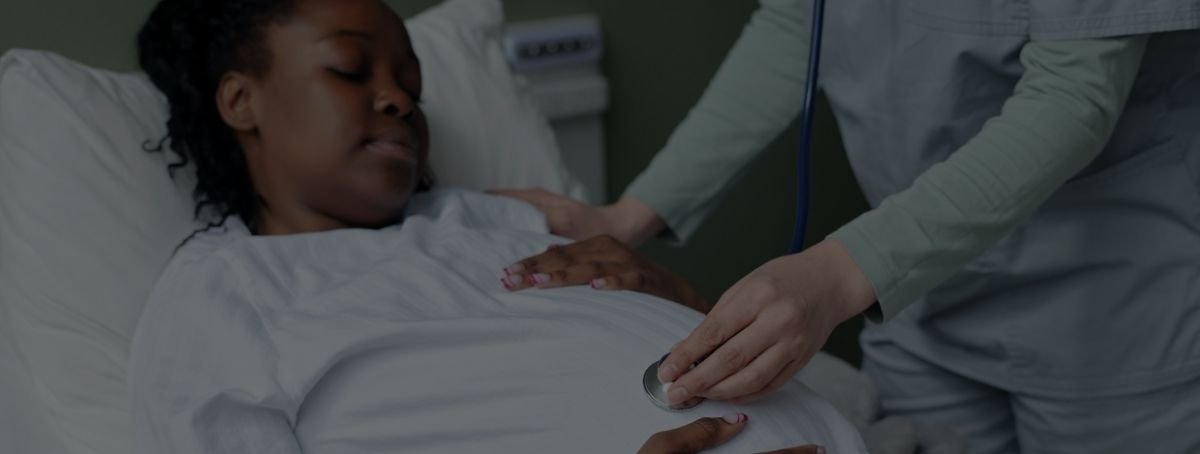
Expert Technical Nursing for Complex Needs
Technical care requires more than just a set of hands; it requires clinical judgment and specialized training. Our team is equipped to manage invasive devices and advanced therapies, allowing patients to remain in a familiar environment while receiving essential medical interventions.

Who Benefits?
Patients with Long-term Conditions: Individuals requiring ongoing catheter, tube feeding, or oxygen management.
Post-Hospital Transitions: Patients discharged with new medical devices who need professional help until they or their carers are confident.
Chronic Illness Management: Those requiring regular IV fluids or specialized respiratory support.
What we do: Technical Procedures & Tasks
Our registered nurses are trained to perform and monitor several critical technical tasks:
IV Cannulation & Fluid Administration: Safe insertion of IV lines and administration of fluids for hydration or medication.
Catheter Care: Professional insertion, routine care, and removal of urinary catheters to prevent infection.
Nasogastric (NG) Tube Care: Specialized support for tube placement verification and enteral feeding.
Tracheostomy Care: Basic, non-emergency maintenance, including dressing changes and suctioning to ensure a clear airway.
Oxygen Therapy Monitoring: Ensuring oxygen flow rates are correct and monitoring patient saturation levels.
Safety, Clinical Governance & Qualifications
At Nehu Health, technical care is governed by strict safety protocols to ensure patient well-being:
Certified Clinicians: Only nurses with specific competency certifications perform high-risk procedures like cannulation or tracheostomy care.
Infection Control: We utilize single-use, sterile kits for every procedure to eliminate the risk of cross-contamination.
Equipment Safety: We assist in monitoring your home medical devices to ensure they are functioning according to manufacturer standards.
Documentation: Detailed clinical notes are kept for every procedure, tracking site health, drainage, and patient tolerance.
Red Flag Warning: If a patient with a tracheostomy or NG tube experiences sudden, severe shortness of breath, becomes blue around the lips, or if a tube is accidentally dislodged, call emergency services (999/112) immediately.
How it Works: The Process of Care
Clinical Consultation
We review the doctor’s orders and the specific technical requirements of the procedure.
Assessment
Upon arrival, the nurse assesses the patient’s current stability and the integrity of the device site.
Procedure
The task is performed using aseptic (sterile) techniques, with every step explained to the patient.
Monitoring & Reporting
After the procedure, we monitor the patient for a set period and provide a report to the primary physician.
FAQs on Procedures & Technical Care
-
Do I need a doctor's referral for these procedures?
Yes, for most technical procedures like IV therapy or catheter insertion, we require a valid prescription or order from your treating physician.
-
Is it safe to have a catheter changed at home?
Absolutely. Our nurses use the same sterile techniques used in hospitals to ensure the procedure is safe and infection-free.
-
What if my feeding tube comes out?
If a tube is accidentally removed, contact us immediately. If the patient is in distress, seek emergency care.
-
Who provides the equipment?
Usually, the equipment is provided by your medical supplier or hospital. We provide the clinical expertise and sterile consumables (gloves, wipes) for the procedure.
-
Can you manage a tracheostomy?
We provide routine, non-emergency tracheostomy care, including cleaning and dressing changes. We do not provide emergency airway management.
-
How long does a procedure visit take?
Most technical visits last between 30 to 60 minutes, depending on the complexity of the task.
Arrange Your Technical Care Today
Get the professional nursing support you need without the hospital commute.
Speak with our team about your specific technical requirements.